Electric heating systems convert energy directly into heat – efficiently, maintenance-free, and with zero local emissions. Whether as a primary heating system, a supplementary solution, or in combination with photovoltaics: heating with electricity offers flexible applications and meets current and future requirements for economic efficiency and climate-friendliness.
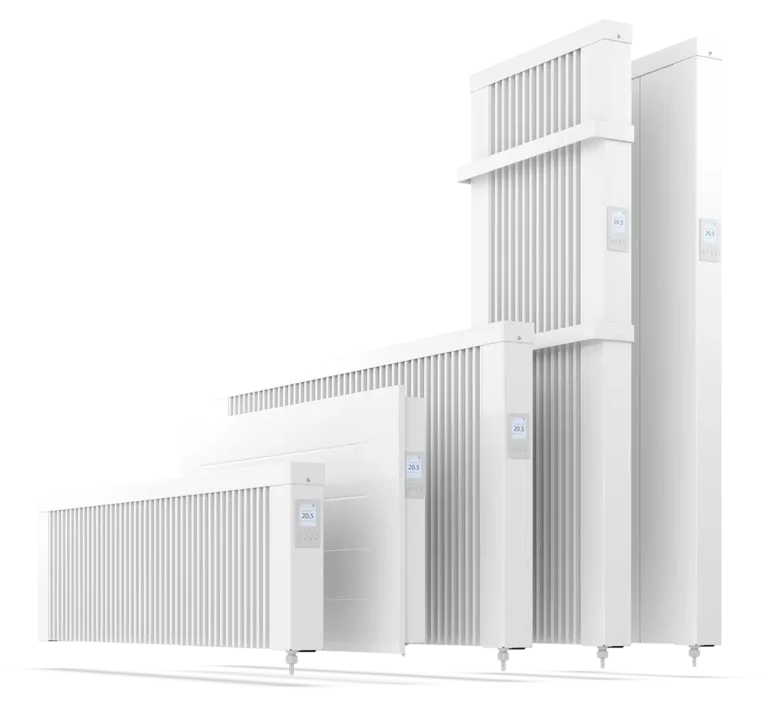
Electric heating is based on direct energy conversion – without combustion processes or emissions. Depending on the system, heat is released via radiation, convection, or storage materials. Here you will find an overview of the most important basics and differences.
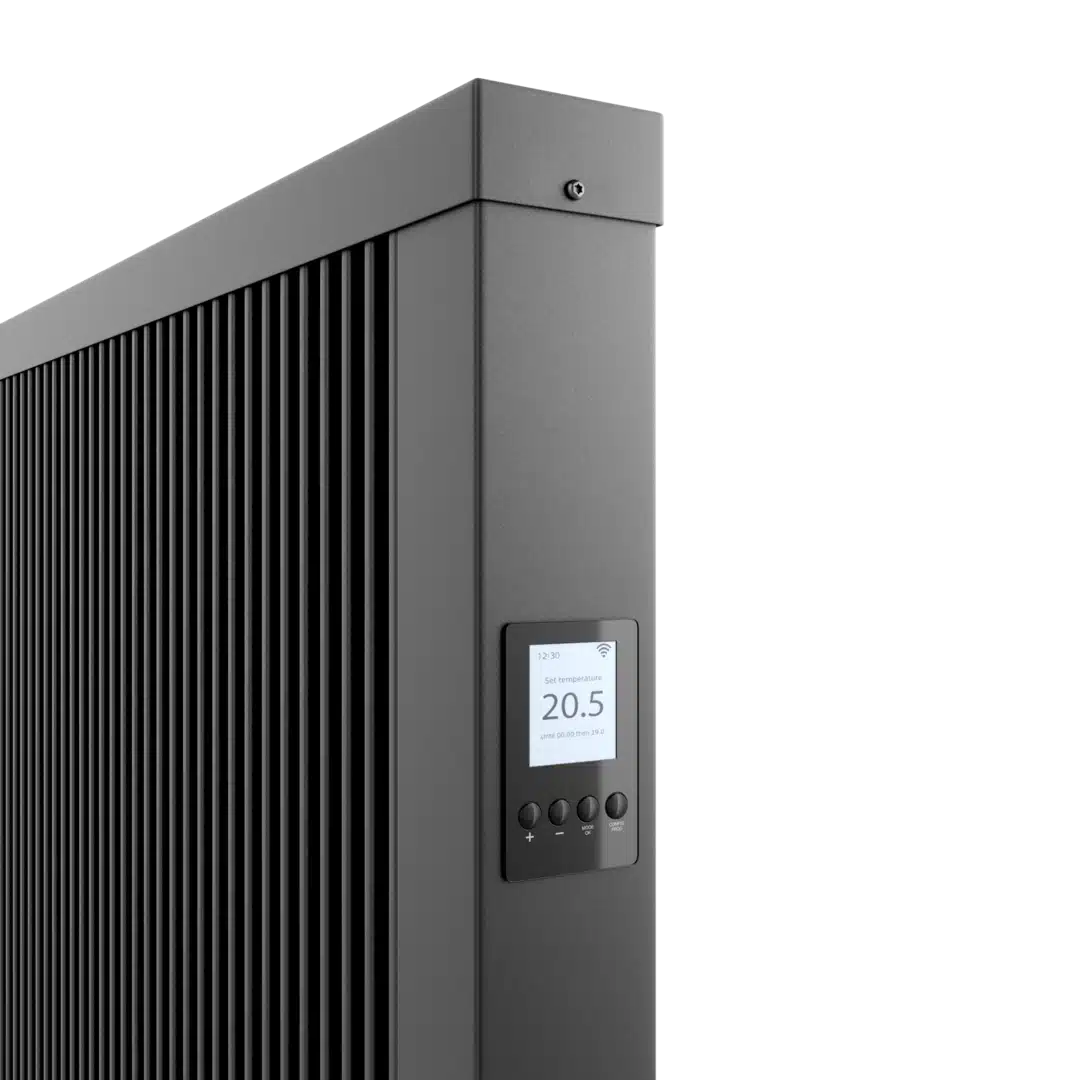
Electric heating systems convert electricity directly into heat – without detours via fuels or mechanical processes. This direct use enables low-loss energy transfer, fast response times and precise control. When combined with renewable electricity, this creates a completely CO₂-free heating system.

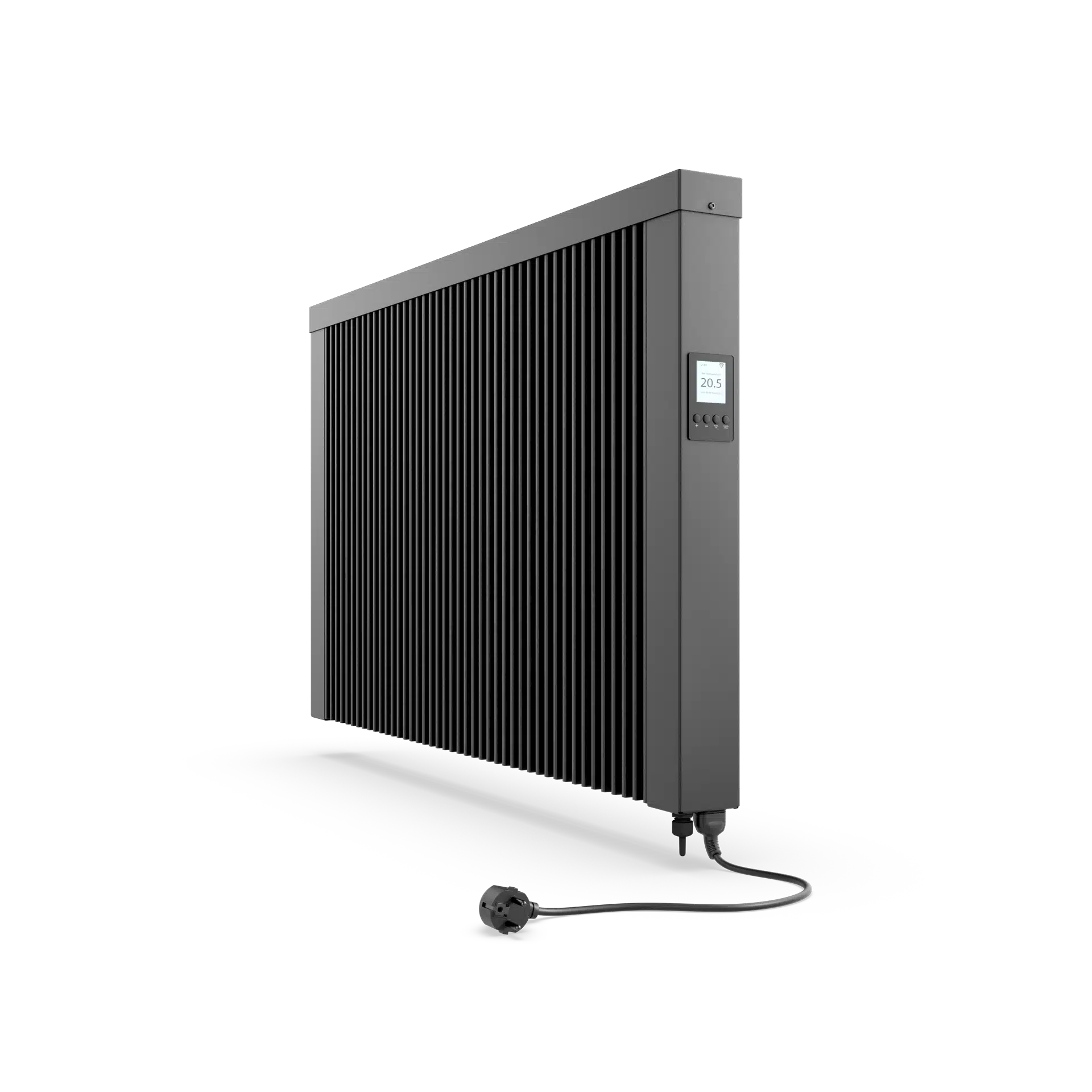

The costs of electric heating depend on several factors – including living space, insulation, user behavior, and electricity tariffs. Modern electric heating systems can be controlled precisely and enable economical operation – particularly with good insulation standards or in combination with PV power.
Electric heaters cost less to operate than many think:
The decisive factors are:
Note: The result is for guidance only and does not replace detailed professional planning.
The chosen heating system (e.g., with a storage core) also influences energy requirements.
Actual values depend on electricity price, consumption, and building standards.
| Example room | Area | Insulation standard | Seasonal electricity consumption | Costs at €0.30/kWh |
|---|---|---|---|---|
| Bedroom (new build) | 15 m² | good | 540 kWh | €162 |
| Office (partially renovated old building) | 20 m² | medium | 900 kWh | €270 |
| Living room (unrenovated old building) | 25 m² | poor | 1,170 kWh | €351 |
| Bathroom (intermittent use) | 8 m² | good | 108 kWh | €32 |
Note: Basis of calculation: approx. 180 heating days per year, typical user behavior, electricity price €0.30/kWh.
Heating phases can be precisely controlled using time programs. This ensures that heating only occurs when there is an actual need – significantly reducing energy use.
Individual rooms can be regulated according to demand. In combination with sensors and smart controls, energy efficiency increases throughout the entire system.
The temperature can be automatically reduced at night or during absences. This saves energy without noticeably compromising comfort.
Good insulation of exterior walls, roofs, and windows reduces heat loss. The heating energy used remains efficiently within the room.
Systems such as surface storage heaters only require electricity intermittently but release heat over several hours – ideal for optimized load distribution.
Using your own solar power not only reduces electricity costs but also increases the share of renewable energy – for particularly sustainable heating.
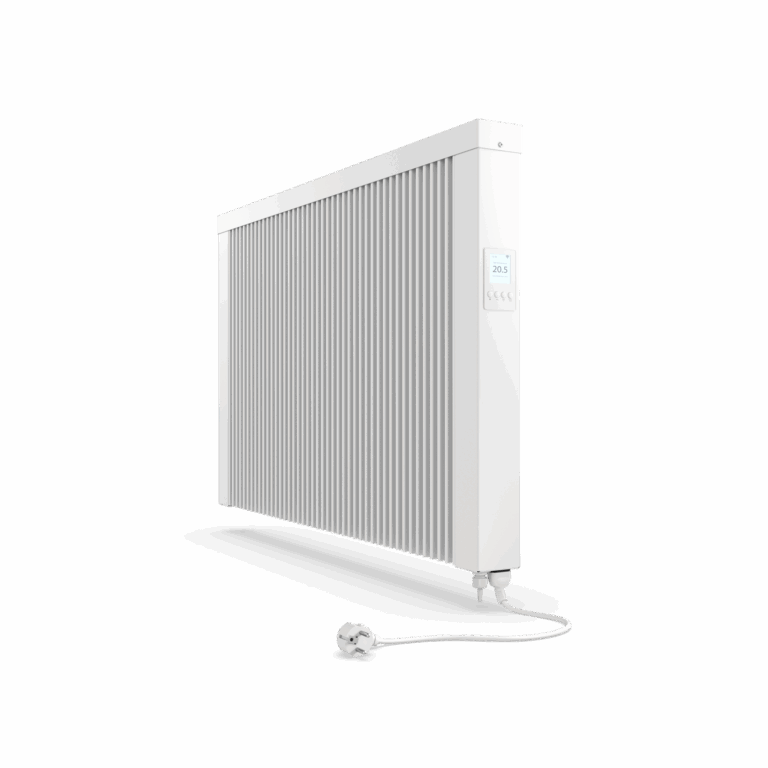
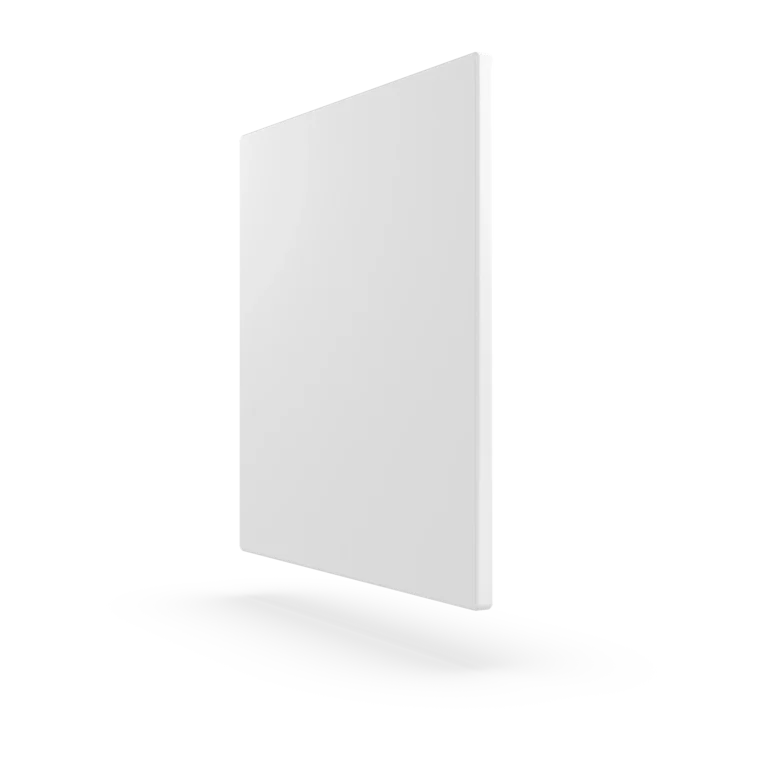
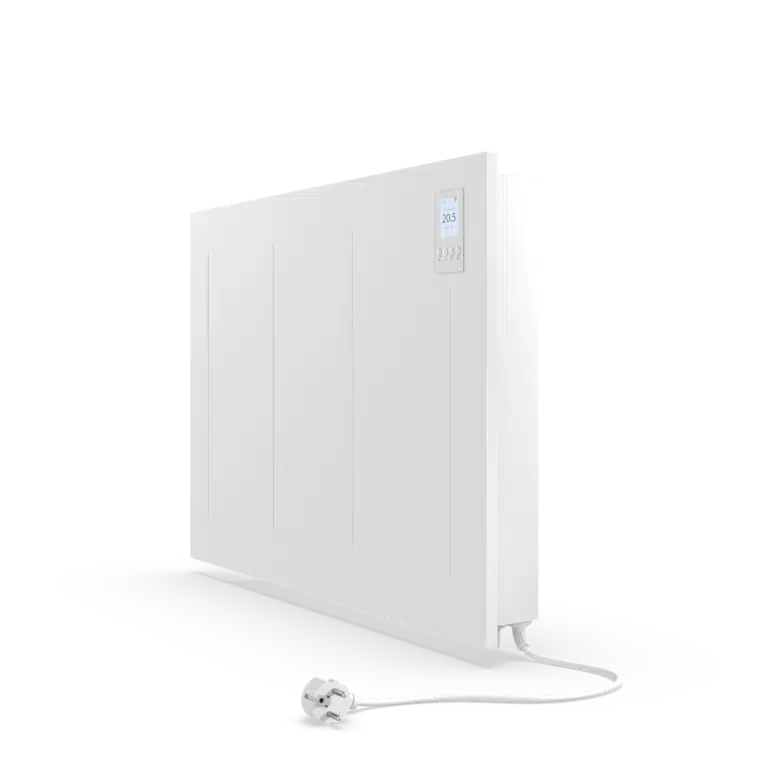
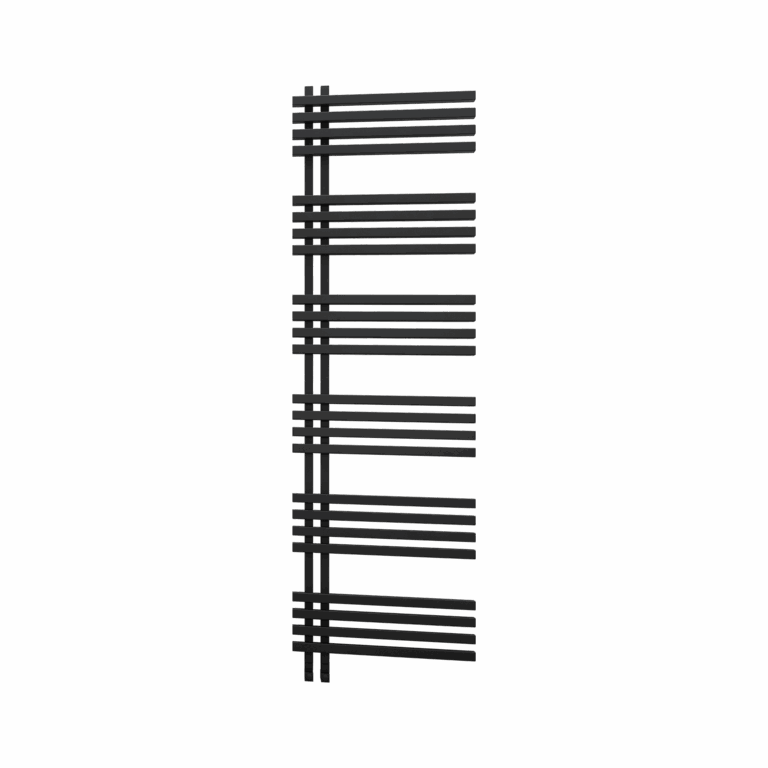
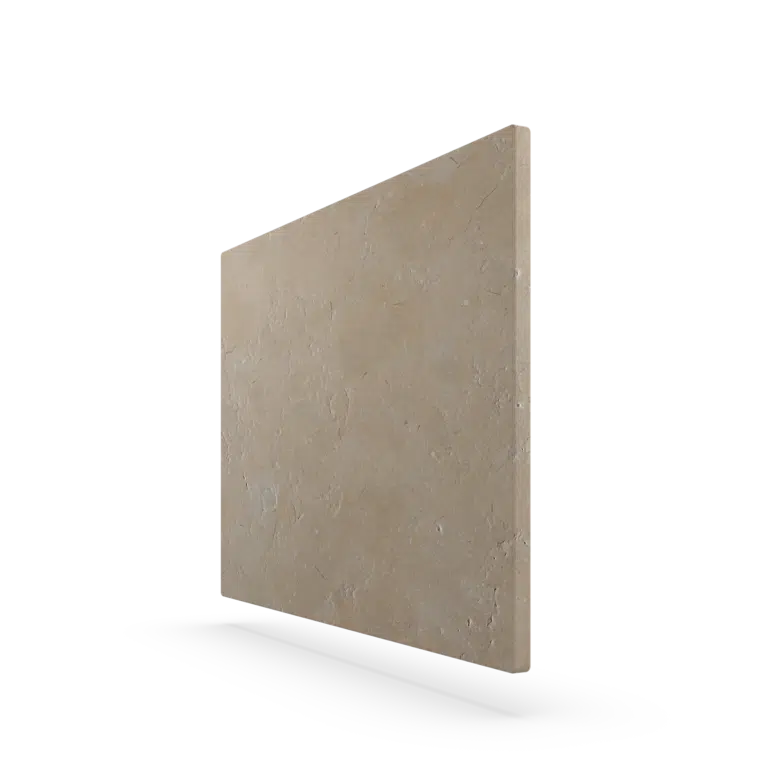
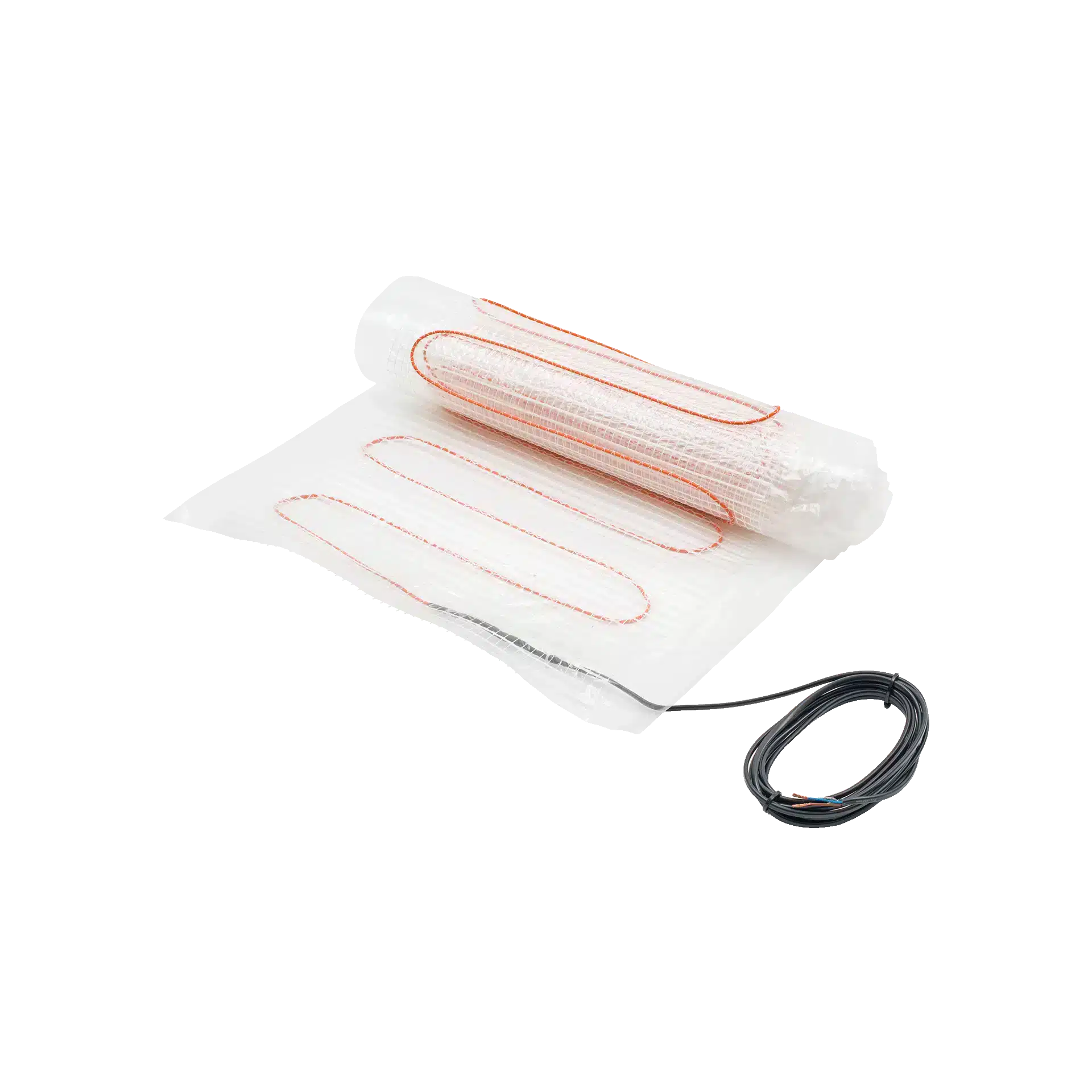
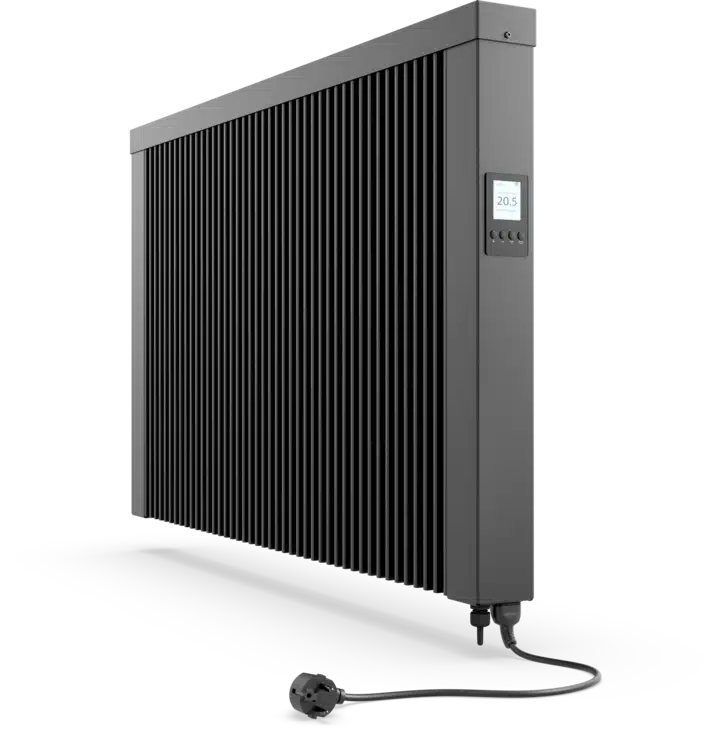


In old buildings, electric heaters enable simple and economical retrofitting – without any intervention in the existing building fabric. They offer an efficient solution, especially for partial renovations or in rooms that are difficult to access. Thanks to flexible installation, individual areas can be heated in a targeted and demand-based manner.

As supplementary heating, electric heaters offer a flexible solution for targeted heat requirements, such as in the bathroom, office, or vacation home. They provide quickly available heat, can be precisely controlled, and require no installation effort. They thus complement existing heating systems efficiently and comfortably.

In the housing industry, electric heating systems enable a decentralized and maintenance-free heat supply. They are particularly suitable for partial renovations and retrofitting in multi-family houses. Through individual control and simple individual billing, they offer an economical and practical solution.

For specialist partners, TECHNOTHERM offers well-thought-out and versatile system solutions for a wide range of requirements. Simple installation, high product quality, and broad control compatibility facilitate planning, consulting, and integration. This allows projects to be implemented efficiently and reliably.
TECHNOTHERM offers a comprehensive range of electric heating solutions – tailored to different rooms, requirements, and building types.
Find the right category for your project here:


Digital thermostats, time programs, and smart controls – for demand-based heat and optimized electricity consumption.
Surface storage heaters or controllable infrared systems can be regulated depending on the time of day and use surplus electricity in a targeted manner. Through smart home connection or individual room regulation, the generated solar energy is distributed efficiently – without complex technology or central heating circuits. This creates a quiet, maintenance-free heating system with a future.
Electric heating is particularly sensible if you value uncomplicated installation, low investment costs, and flexible use. It is suitable for new builds with good insulation as well as for renovation projects or rental apartments without central heating. It also offers practical, low-maintenance, and emission-free thermal comfort as a supplement or additional heating — e.g., for individual rooms, vacation homes, or bathrooms. Combined with PV power and modern controls, costs and the environmental balance can be significantly optimized, making electric heating attractive for future-oriented construction projects as well.
Efficiency depends less on the type of heater alone than on the combination of insulation standard, room size, and control. In principle, surface storage heaters with storage mass (e.g., fireclay core) are among the most economical variants: they store heat and release it uniformly, which reduces switch-on cycles and peak loads. Infrared or convector heaters are efficient when used in a targeted manner, for short periods, and only when needed. Ultimately, a design tailored to requirements and modern control technology are decisive — then electric heaters can be operated extremely economically.
The costs for electric heating depend heavily on consumption, insulation condition, electricity price, and heating behavior. For well-insulated apartments or houses with moderate heating requirements, annual heating costs can remain comparatively manageable — especially if electricity from renewable sources or a PV system is used. Smart control (e.g., time-controlled, room-by-room) also reduces electricity requirements. Ultimately, electric heating is particularly worthwhile if electricity is used efficiently and heat requirements and building quality are realistically assessed.
An electric heating system is a heating system that converts electrical energy directly into heat – without fuels, without combustion, and without hydraulic systems. This can be done through direct heating devices, storage heaters, or underfloor heating systems. Electric heaters work locally, only require a power connection, and are therefore particularly flexible and independent. Their simple technology saves installation effort and maintenance — and makes them particularly suitable for renovation, retrofitting, or targeted heat supply.
When operating an electric heater, electricity is converted into heat via electric heating elements. This heat is either released directly to the room air or surfaces (for example, with convector or infrared heaters) or first collected in a storage mass and distributed uniformly later (as with surface storage heaters). In many systems, a mixture of radiant and convection heat occurs to create a uniform, comfortable indoor climate. Modern devices are regulated via thermostats or smart home controls and react precisely to actual demand.
Operating costs depend on various factors: insulation standard of the building, room size, heating behavior, and electricity price. For well-insulated buildings and moderate heating requirements, annual heating costs typically fall in the medium range, especially if electricity tariffs are favorable or PV power is available. Through demand-based control (e.g., time-controlled heating, night setback, room zones), energy requirements can be further reduced. Overall, operating costs are predictable and manageable, with the advantage of emission-free and low-maintenance operation.
Electric heaters generally achieve a high level of efficiency: the electrical energy used is converted almost completely into heat — without the conversion losses that occur with combustion heating. Systems with storage mass are particularly efficient because they smooth out heat peaks and release heat constantly. Combined with a good building envelope, optimal dimensioning, and intelligent control, energy use and costs can be minimized — while maintaining high comfort and flexible use.
In an old building, electric heating can be sensible if insulation, windows, or heat-emitting elements have been optimized beforehand. For individual rooms, partial modernization, or as a supplement to existing heating, the electric solution offers advantages: low installation costs, rapid implementation, and no structural interventions. For large-scale use and high heat requirements, however, it should be carefully checked whether the energy expenditure remains economical — possibly sensible as a hybrid solution with existing heating technology or in combination with PV.
The physical efficiency is nearly 100%, as electrical energy is converted directly into heat. However, the “utilization efficiency” depends on building insulation, heat release, control, and user behavior. In practice, efficient systems, especially those with storage mass, achieve very good heat utilization — with uniform release and without unnecessary heat losses. In combination with self-generated electricity from PV and battery storage, the overall efficiency of the heating system can also increase further and significantly reduce operating costs and CO₂ emissions.

Visit us
Branch locator
Write us
Contact form
We look forward to your message
Call us
+49 (0) 3724 66869 0
Mon. – Fri.: 08:00 a.m. – 20:00 p.m.
Sat.: 08:00 a.m. – 17:00 p.m.
Federal holidays and Sundays excluded
Get advice
Arrange an appointment
Arrange a personal appointment
Finden Sie die nächstgelgende Filiale
Wir freuen uns auf Ihre Nachricht
Mo. - Fr.: 08:00 - 20:00 Uhr
Sa.: 08:00 - 17:00 Uhr
bundeseinheitliche Feiertage und Sonntag ausgeschlossen
Persönlichen Termin vereinbaren

